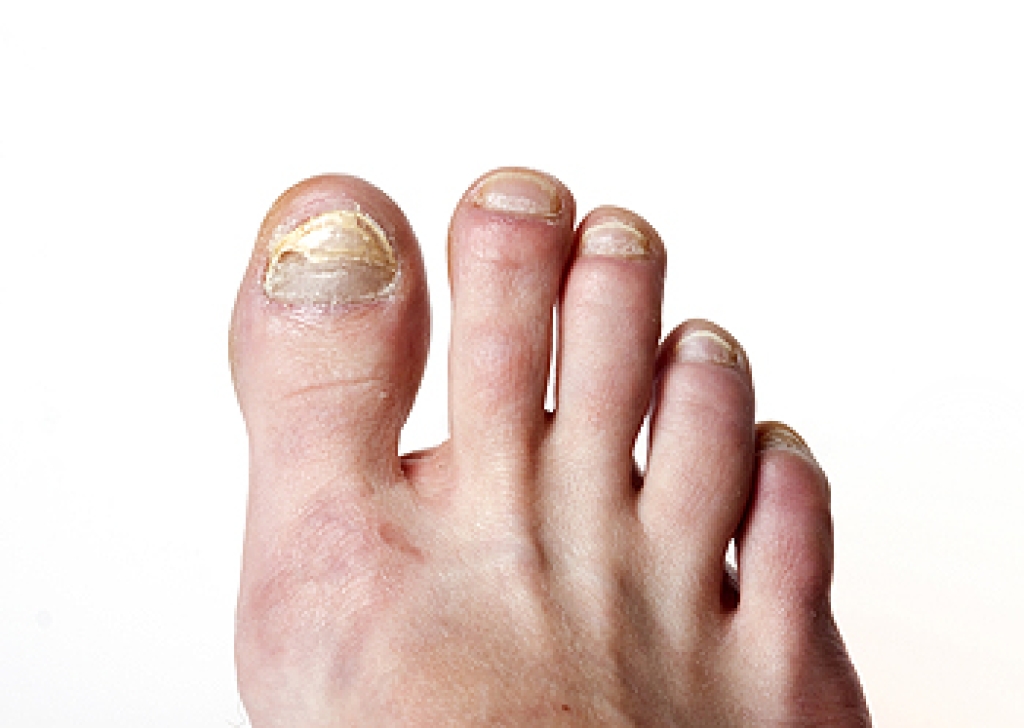
Avoiding Toenail Fungus

An infection from toenail fungus is also known as onychomycosis. It can affect your feet when fungal spores latch onto your toenails and feed off of nail tissues. If you have toenail fungus, you might notice that the affected nail has become brittle in texture or discolored. There are several steps that you might consider taking to avoid the development of toenail fungus. For example, since these organisms thrive in warm, damp environments, you can be diligent about wearing shoes in public areas, like locker rooms and the sides of community pools. Also, you might consider applying antifungal foot powder to your feet on a regular basis. To ward off fungal infections of the feet, you might also purchase socks that are designed to wick away moisture and perspiration. If you are concerned about developing, or have an ongoing toenail fungus, it is a good idea to make an appointment with a podiatrist today.

For more information about treatment, contact Nicole C. Rodriguez, DPM of Personal Podiatry Associates. Our doctor can provide the care you need to keep you pain-free and on your feet.

Toenail Fungus Treatment

Toenail fungus is a condition that affects many people and can be especially hard to get rid of. Fortunately, there are several methods to go about treating and avoiding it.

Antifungals & Deterrence

Oral antifungal medicine has been shown to be effective in many cases. It is important to consult with a podiatrist to determine the proper regiment for you, or potentially explore other options.

Applying foot powder on the feet and shoes helps keep the feet free of moisture and sweat.

Sandals or open toed shoes – Wearing these will allow air movement and help keep feet dry. They also expose your feet to light, which fungus cannot tolerate. Socks with moisture wicking material also help as well.

If you have any questions please contact our offices located in Tamarac and Pembroke Pines, FL . We offer the newest diagnostic and treatment technologies for all your foot and ankle needs.

Read more about Treating Toenail Fungus

Athletes May Be Prone to Developing Blisters

Athletes are all too familiar with blisters on the feet. They can be uncomfortable and may compromise the quality of performing their chosen sport. An existing blister needs to be managed properly and this may prevent infection, bleeding, or significant pain from developing. A blister on the foot generally develops from excess friction that can come from wearing shoes or socks that do not fit correctly. The first sign a blister is forming is called the hot spot, and this suggests the skin is tender and can appear red. As the blister forms, the skin can separate and the area can fill with liquid. This is the body’s natural response to protecting the damaged skin as the healing process takes place. The blister will gradually drain once the new skin has formed. There are specific types of athletes that are susceptible to developing blisters. These can include runners, gymnasts, and baseball players. If you would like to learn about how to properly care for blisters on the feet, please consult with a podiatrist who can address any concerns you may have.

Blisters are prone to making everyday activities extremely uncomfortable. If your feet are hurting, contact Nicole C. Rodriguez, DPM of Personal Podiatry Associates. Our doctor can provide the care you need to keep you pain-free and on your feet.

Foot Blisters

Foot blisters develop as a result of constantly wearing tight or ill-fitting footwear. This happens due to the constant rubbing from the shoe, which can often lead to pain.

What Are Foot Blisters?

A foot blister is a small fluid-filled pocket that forms on the upper-most layer of the skin. Blisters are filled with clear fluid and can lead to blood drainage or pus if the area becomes infected.

How Do Blisters Form?

Blisters on the feet are often the result of constant friction of skin and material, usually by shoe rubbing. Walking in sandals, boots, or shoes that don’t fit properly for long periods of time can result in a blister. Having consistent foot moisture and humidity can easily lead to blister formation.

Prevention & Treatment

It is important to properly care for the affected area in order to prevent infection and ease the pain. Do not lance the blister and use a Band-Aid to provide pain relief. Also, be sure to keep your feet dry and wear proper fitting shoes. If you see blood or pus in a blister, seek assistance from a podiatrist.

If you have any questions, please feel free to contact our offices located in Tamarac and Pembroke Pines, FL . We offer the newest diagnostic and treatment technologies for all your foot care needs.

Read more about Blisters on the Feet

Connect With Us

scroll-to-top