Toenail Fungus Symptoms

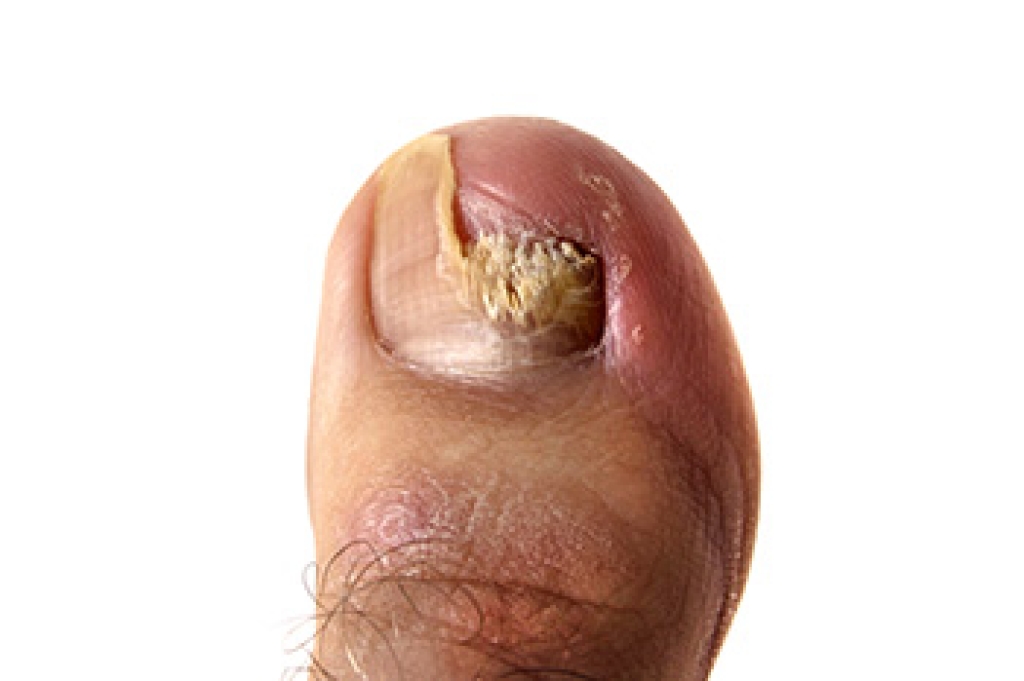
Toenail fungus is a common nail disorder. It is a fungal infection, and research has shown it affects approximately half of Americans by the time they reach age 70. The fungus that causes this ailment enters the body through small cuts in the nail and may spread to the other nails if prompt medical attention is not sought. This fungus lives in warm environments like public swimming pools, locker rooms, and shower room floors. This condition gradually progresses, and one of the first signs can be yellowed toenails, or white spots on the toenail. This is followed by a change in texture, causing the nail to become brittle and possibly fall off. Preventive measures can include wearing appropriate shoes when frequenting these types of areas, such as flip flops or water shoes, and it is beneficial to refrain from sharing shoes and socks. If you have toenail fungus, it is strongly suggested that you visit a podiatrist who can offer you the correct treatment techniques.

If left untreated, toenail fungus may spread to other toenails, skin, or even fingernails. If you suspect you have toenail fungus it is important to seek treatment right away. For more information about treatment, contact Nicole C. Rodriguez, DPM of Personal Podiatry Associates. Our doctor can provide the care you need to keep you pain-free and on your feet.

Symptoms

  • Warped or oddly shaped nails
  • Yellowish nails
  • Loose/separated nail
  • Buildup of bits and pieces of nail fragments under the nail
  • Brittle, broken, thickened nail

Treatment

If self-care strategies and over-the-counter medications does not help your fungus, your podiatrist may give you a prescription drug instead. Even if you find relief from your toenail fungus symptoms, you may experience a repeat infection in the future.

Prevention

In order to prevent getting toenail fungus in the future, you should always make sure to wash your feet with soap and water. After washing, it is important to dry your feet thoroughly especially in between the toes. When trimming your toenails, be sure to trim straight across instead of in a rounded shape. It is crucial not to cover up discolored nails with nail polish because that will prevent your nail from being able to “breathe”.

In some cases, surgical procedure may be needed to remove the toenail fungus. Consult with your podiatrist about the best treatment options for your case of toenail fungus.  

If you have any questions please contact our offices located in Tamarac and Pembroke Pines, FL . We offer the newest diagnostic and treatment technologies for all your foot and ankle needs.

Read more about Toenail Fungus

Orthotics May Help Specific Foot Conditions

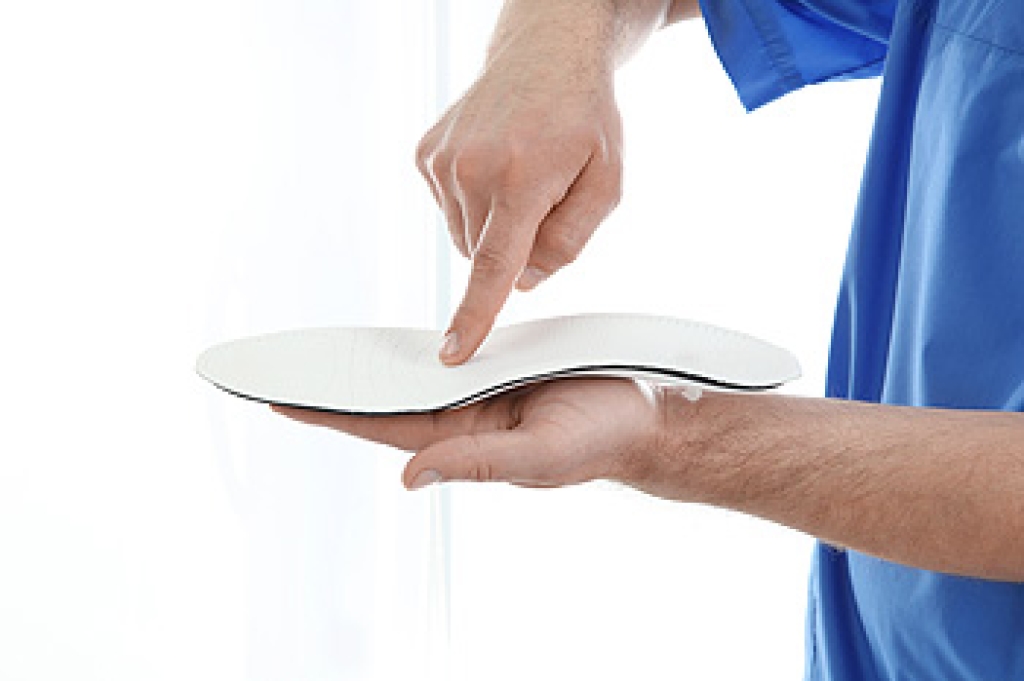
Another name for orthotics is insoles. The difference between the two can be that orthotics can be custom-made to fit an individual's foot, which can help to normalize abnormal foot structure. Patients who have flat feet may benefit from wearing orthotics which may help to reduce existing pain. They can gradually realign the foot and improve overall foot mechanics. The type of orthotics that are suggested often depends on the reason they are needed, which may come from having endured an injury or from an ongoing foot condition. The orthotics are sized by taking an impression of the foot, which is commonly done by having a plastic mold developed or by having a 3-D laser scan performed. Some of the foot conditions that can possibly be improved by wearing orthotics include bunions, flat feet, high arches, or rheumatoid arthritis. If you have foot pain, it is suggested that you consult with a podiatrist who can create custom orthotics if this is the correct choice for you.

If you are having discomfort in your feet and would like to try orthotics, contact Nicole C. Rodriguez, DPM from Personal Podiatry Associates. Our doctor can provide the care you need to keep you pain-free and on your feet.

What Are Orthotics?

Orthotics are inserts you can place into your shoes to help with a variety of foot problems such as flat feet or foot pain. Orthotics provide relief and comfort for minor foot and heel pain but can’t correct serious biomechanical problems in your feet.

Over-the-Counter Inserts

Orthotics come in a wide variety of over-the-counter inserts that are used to treat foot pain, heel pain, and minor problems. For example, arch supports can be inserted into your shoes to help correct overarched or flat feet, while gel insoles are often used because they provide comfort and relief from foot and heel pain by alleviating pressure.

Prescription Orthotics

If over-the-counter inserts don’t work for you or if you have a more severe foot concern, it is possible to have your podiatrist prescribe custom orthotics. These high-quality inserts are designed to treat problems such as abnormal motion, plantar fasciitis, and severe forms of heel pain. They can even be used to help patients suffering from diabetes by treating foot ulcers and painful calluses and are usually molded to your feet individually, which allows them to provide full support and comfort.

If you are experiencing minor to severe foot or heel pain, it’s recommended to speak with your podiatrist about the possibilities of using orthotics. A podiatrist can determine which type of orthotic is right for you and allow you to take the first steps towards being pain-free.

If you have any questions, please feel free to contact our offices located in Tamarac and Pembroke Pines, FL . We offer the newest diagnostic and treatment technologies for all your foot care needs.

Read more about Foot Orthotics

How to Measure Your Child’s Feet

Finding the right shoes for your child is essential for maintaining the health of their feet as they grow. Experts recommend measuring both feet, as their sizes may differ, and buying shoes that fit the larger foot. An easy way to accomplish this is to have the child stand with their back to the wall and the heels touching the wall. Place a book in front of the longest toe, and measure the distance from heel to toe. The width of the feet is also important to note, so that the toes are not squeezed in their shoes. Be aware that inner soles and stitching may reduce the space inside the shoe. In addition, more space may be required to account for heavier socks if the child is to wear shoes or boots in the colder months. When trying on the shoes, have the child stand on both feet. It is important to leave at least half an inch from the longest toe to the tip of the shoe, as a child’s foot grows rapidly, especially in the early years. Measuring your child’s feet at regular intervals is deemed important to avoid foot deformities and other problems. For more information on proper shoe fitting, please consult a podiatrist.

The health of a child’s feet is vital to their overall well-being. If you have any questions regarding foot health, contact Nicole C. Rodriguez, DPM of Personal Podiatry Associates. Our doctor can provide the care you need to keep you pain-free and on your feet.

Tips for Keeping Children's Feet Healthy

  • Make sure their shoes fit properly
  • Look for any signs of in-toeing or out-toeing
  • Check to see if they have Clubfoot (condition that affects your child’s foot and ankle, twisting the heel and toes inward) which is one of the most common nonmajor birth defects.
  • Lightly cover your baby’s feet (Tight covers may keep your baby from moving their feet freely, and could prevent normal development)
  • Allow your toddler to go shoeless (Shoes can be restricting for a young child’s foot)
  • Cut toenails straight across to avoid ingrown toenails
  • Keep your child’s foot clean and dry
  • Cover cuts and scrapes. Wash any scratches with soap and water and cover them with a bandage until they’ve healed.

If you have any questions, please feel free to contact our offices located in Tamarac and Pembroke Pines, FL . We offer the newest diagnostic and treatment technologies for all your foot care needs.

Read more about How to Care for Your Child's Feet

A Broken Foot Is Diagnosed by Having an X-Ray Taken

A force that is exerted on one or more bones in the foot may result in a broken foot. It can happen from falling, or from enduring a sudden injury. Most people know immediately if they have broken their foot by the amount of swelling and bruising that occurs. In severe breaks, the bone can protrude and may look deformed, possibly requiring surgery for proper placement. A  diagnosis is often performed by having an X-ray taken, which is generally successful in determining the severity of the fracture. This is often followed by beginning the correct treatment, which often means wearing a boot or a cast that can stabilize the foot as the healing process occurs. Recovery time can be up to 3 months, and crutches can be used which can aid in completing daily tasks. After the foot has healed, specific exercises can be performed to strengthen the entire foot. If you have broken your foot, it is suggested that you are under the care of a podiatrist who can guide you in regaining strength in your foot.

A broken foot requires immediate medical attention and treatment. If you need your feet checked, contact Nicole C. Rodriguez, DPM from Personal Podiatry Associates. Our doctor can provide the care you need to keep you pain-free and on your feet.

Broken Foot Causes, Symptoms, and Treatment

A broken foot is caused by one of the bones in the foot typically breaking when bended, crushed, or stretched beyond its natural capabilities. Usually the location of the fracture indicates how the break occurred, whether it was through an object, fall, or any other type of injury. 

Common Symptoms of Broken Feet:

  • Bruising
  • Pain
  • Redness
  • Swelling
  • Blue in color
  • Numbness
  • Cold
  • Misshapen
  • Cuts
  • Deformities

Those that suspect they have a broken foot shoot seek urgent medical attention where a medical professional could diagnose the severity.

Treatment for broken bones varies depending on the cause, severity and location. Some will require the use of splints, casts or crutches while others could even involve surgery to repair the broken bones. Personal care includes the use of ice and keeping the foot stabilized and elevated.

If you have any questions, please feel free to contact our offices located in Tamarac and Pembroke Pines, FL . We offer the newest diagnostic and treatment technologies for all your foot care needs.

Read more about Causes, Symptoms, and Treatment for a Broken Foot

We Can Treat Your Foot or Ankle Pain

Foot or ankle pain can negatively affect your day-to-day life and can occur due to several different conditions. Pain can also be an indicator of a more serious underlying condition, which is why you should seek professional help as soon as you notice any abnormalities in your feet.

Connect With Us

scroll-to-top