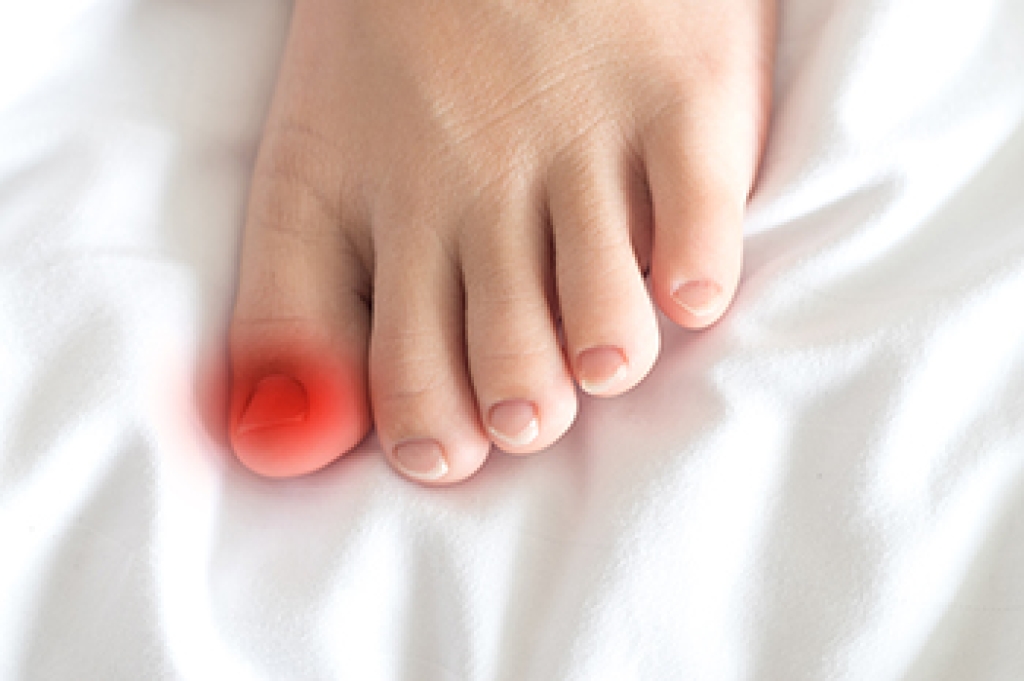
Signs of an Ingrown Toenail

There are a variety of nail diseases that impact the health, strength, and appearance of toenails. An ingrown toenail is when the toenail grows into the surrounding skin. It can cause pain and swelling, and in some cases, it can become infected. Causes of ingrown toenails include having a genetic predisposition for them, cutting the toenails wrong, and wearing tight shoes or socks. Sometimes relief for an ingrown toenail can be found by soaking the nail in warm water three to four times a day and wearing comfortable shoes. If you have an ingrown toenail, and especially if you notice that is infected or oozing pus, it is suggested that you see a podiatrist for treatment.

Ingrown toenails may initially present themselves as a minor discomfort, but they may progress into an infection in the skin without proper treatment. For more information about ingrown toenails, contact Nicole C. Rodriguez, DPM of Personal Podiatry Associates. Our doctor can provide the care you need to keep you pain-free and on your feet.

Ingrown Toenails

Ingrown toenails are caused when the corner or side of a toenail grows into the soft flesh surrounding it. They often result in redness, swelling, pain, and in some cases, infection. This condition typically affects the big toe and may recur if it is not treated properly.

Causes

  • Improper toenail trimming
  • Genetics
  • Improper shoe fitting
  • Injury from pedicures or nail picking
  • Abnormal gait
  • Poor hygiene

You are more likely to develop an ingrown toenail if you are obese, have diabetes, arthritis, or have any fungal infection in your nails. Additionally, people who have foot or toe deformities are at a higher risk of developing an ingrown toenail.

Symptoms

Some symptoms of ingrown toenails are redness, swelling, and pain. In rare cases, there may be a yellowish drainage coming from the nail.

Treatment

Ignoring an ingrown toenail can have serious complications. Infections of the nail border can progress to a deeper soft-tissue infection, which can then turn into a bone infection. You should always speak with your podiatrist if you suspect you have an ingrown toenail, especially if you have diabetes or poor circulation.

If you have any questions, please feel free to contact our offices located in Tamarac and Pembroke Pines, FL . We offer the newest diagnostic and treatment technologies for all your foot care needs.
Read more about Ingrown Toenail Care

Foot Blisters and Socks

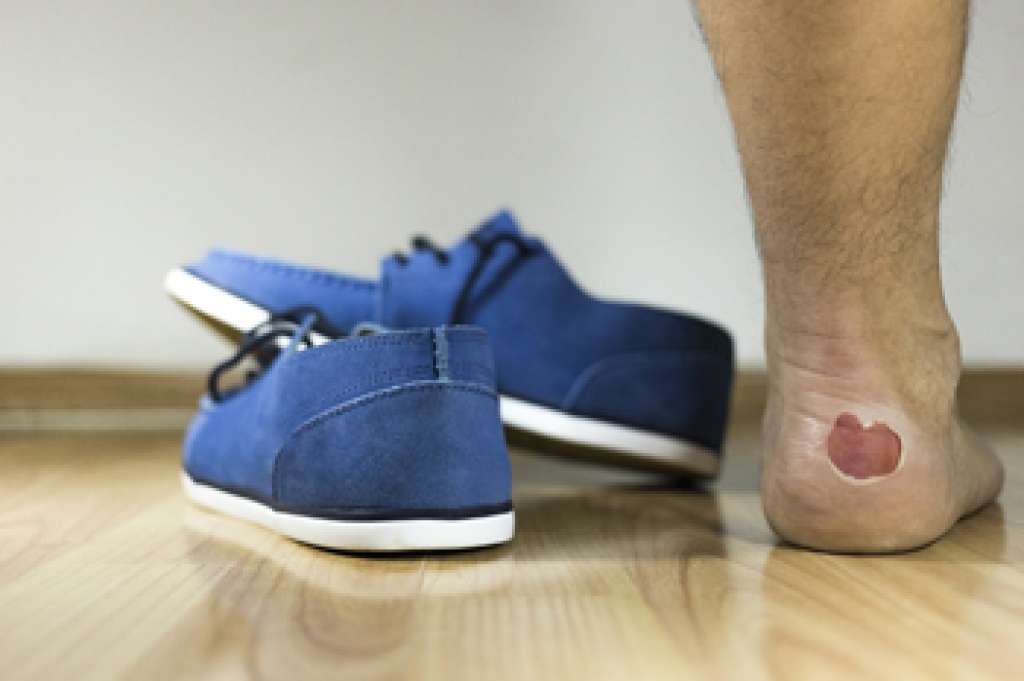
Blisters are pesky and uncomfortable pieces of skin that can develop on one’s feet when moisture and friction combine. Sometimes, friction can be caused by the rubbing of a shoe on the foot. Many patients of podiatrists will wonder to what extent socks influence or contribute to the development of blisters. The answer is complicated. Socks obviously do not cause blister formation, but friction and moisture do. It is important to note that socks by themselves do not necessarily prevent the formation of blisters. However, wearing socks that help keep the foot dry and protected can help combat blister formation. Also, thicker socks can sometimes provide more blister protection than thinner socks can. If you are someone that struggles with blisters on your feet, it is suggested that you contact a podiatrist and schedule an appointment.

Blisters are prone to making everyday activities extremely uncomfortable. If your feet are hurting, contact Nicole C. Rodriguez, DPM of Personal Podiatry Associates. Our doctor can provide the care you need to keep you pain-free and on your feet.

Foot Blisters

Foot blisters develop as a result of constantly wearing tight or ill-fitting footwear. This happens due to the constant rubbing from the shoe, which can often lead to pain.

What Are Foot Blisters?

A foot blister is a small fluid-filled pocket that forms on the upper-most layer of the skin. Blisters are filled with clear fluid and can lead to blood drainage or pus if the area becomes infected.

How Do Blisters Form?

Blisters on the feet are often the result of constant friction of skin and material, usually by shoe rubbing. Walking in sandals, boots, or shoes that don’t fit properly for long periods of time can result in a blister. Having consistent foot moisture and humidity can easily lead to blister formation.

Prevention & Treatment

It is important to properly care for the affected area in order to prevent infection and ease the pain. Do not lance the blister and use a Band-Aid to provide pain relief. Also, be sure to keep your feet dry and wear proper fitting shoes. If you see blood or pus in a blister, seek assistance from a podiatrist.

If you have any questions, please feel free to contact our offices located in Tamarac and Pembroke Pines, FL . We offer the newest diagnostic and treatment technologies for all your foot care needs.
Read more about Blisters

Which Toe Does Hammertoe Affect?

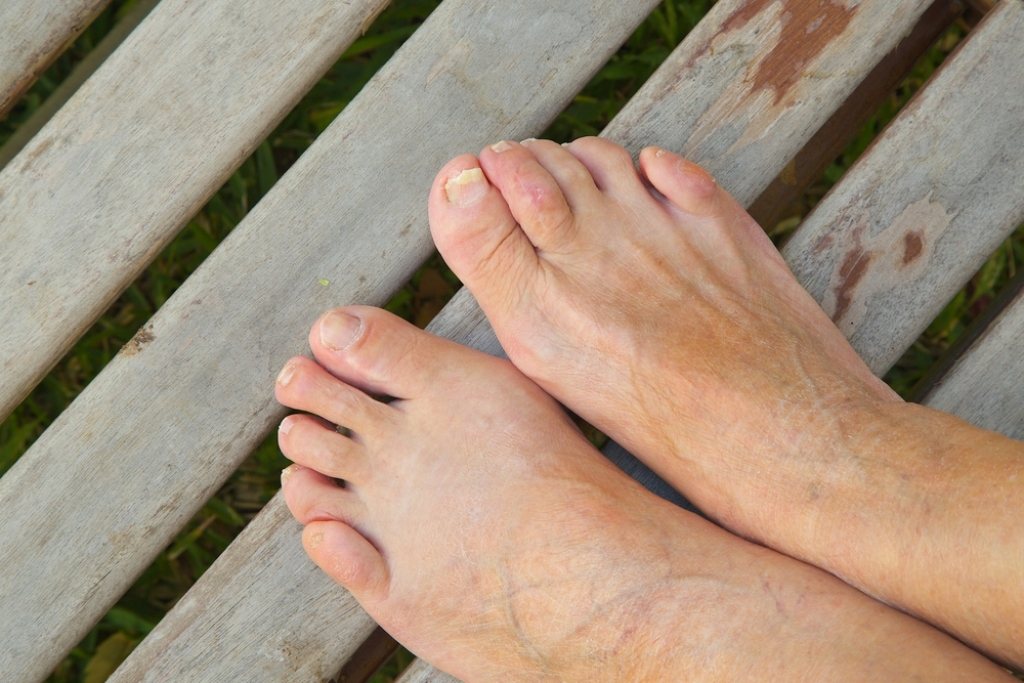
Hammertoe is an interesting affliction of the foot that causes the joints in the toes to become abnormal. As a result, the affected toe may look contorted and strange. More specifically, a hammertoe develops when the toe essentially bends in a hammer-like position, jutting up at a particular joint in the toe. Many patients with hammertoe often wonder which one of their toes is susceptible to developing hammertoe. The answer is simply that any toe could potentially be affected by hammertoe. However, certain toes are more likely to be impacted by it. For example, hammertoe is more likely to affect the three middle toes of the foot. It is also possible that only one middle toe will be affected. If you are struggling with hammertoe, it is suggested that you contact a podiatrist today to schedule an appointment.


Hammertoe

Hammertoes can be a painful condition to live with. For more information, contact Nicole C. Rodriguez, DPM from Personal Podiatry Associates. Our doctor will answer any of your foot- and ankle-related questions.

Hammertoe is a foot deformity that affects the joints of the second, third, fourth, or fifth toes of your feet. It is a painful foot condition in which these toes curl and arch up, which can often lead to pain when wearing footwear.

Symptoms

  • Pain in the affected toes
  • Development of corns or calluses due to friction
  • Inflammation
  • Redness
  • Contracture of the toes

Causes

Genetics – People who are genetically predisposed to hammertoe are often more susceptible

Arthritis – Because arthritis affects the joints in your toes, further deformities stemming from arthritis can occur

Trauma – Direct trauma to the toes could potentially lead to hammertoe

Ill-fitting shoes – Undue pressure on the front of the toes from ill-fitting shoes can potentially lead to the development of hammertoe

Treatment

Orthotics – Custom made inserts can be used to help relieve pressure placed on the toes and therefore relieve some of the pain associated with it

Medications – Oral medications such as anti-inflammatories or NSAIDs could be used to treat the pain and inflammation hammertoes causes. Injections of corticosteroids are also sometimes used

Surgery – In more severe cases where the hammertoes have become more rigid, foot surgery is a potential option

If you have any questions, please feel free to contact our offices located in Tamarac and Pembroke Pines, FL . We offer the newest diagnostic and treatment technologies for all your foot care needs.
Read more about What Are Hammertoes?

Preventing Falls in the Grocery Store

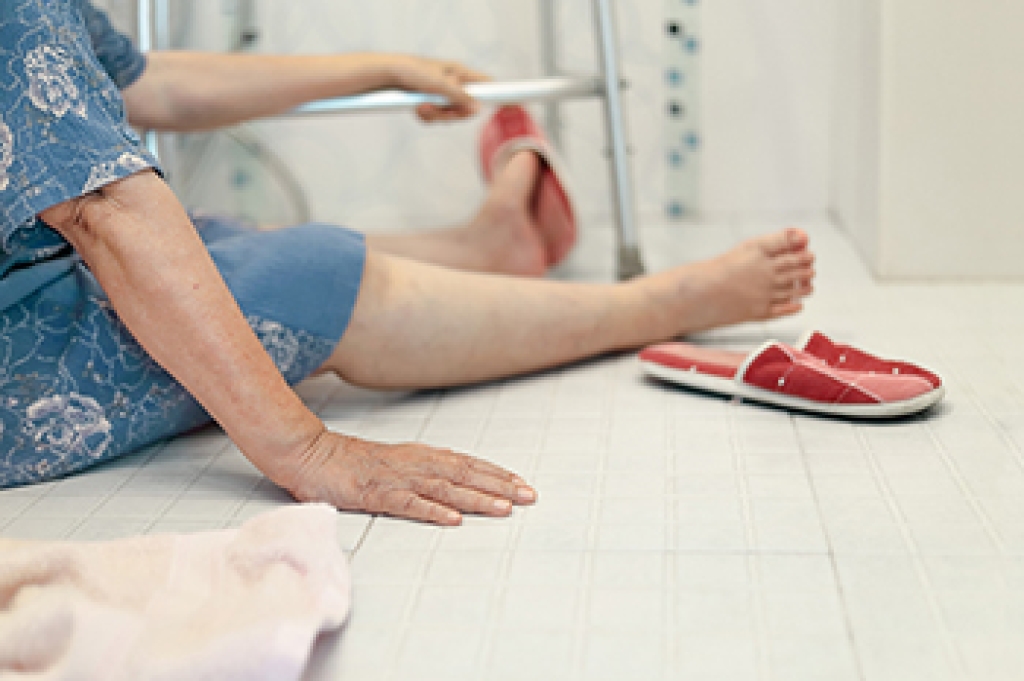
When a senior grows older, it is common for the strength in their feet to be diminished. As a result, they might be likely to fall due to this diminished strength, which might, in turn, further injure the feet. The grocery store is one such place in which a senior might be particularly susceptible to suffering a fall. For example, there might be fluids on the floor that could prove to be especially slippery. Also, it is possible that items and products might have fallen from the shelves, creating tripping hazards for seniors. It can be important to do all you can to prevent falling in the grocery store to protect your feet from injury. One important way to do this is to improve mobility and strength in the feet. If you are a senior, you might contact a podiatrist today for more information on how you can prevent falls and to receive treatment for any foot condition you might have. 

Preventing falls among the elderly is very important. If you are older and have fallen or fear that you are prone to falling, consult with Nicole C. Rodriguez, DPM from Personal Podiatry Associates. Our doctor will assess your condition and provide you with quality advice and care.

Every 11 seconds, an elderly American is being treated in an emergency room for a fall related injury. Falls are the leading cause of head and hip injuries for those 65 and older. Due to decreases in strength, balance, senses, and lack of awareness, elderly persons are very susceptible to falling. Thankfully, there are a number of things older persons can do to prevent falls.

How to Prevent Falls

Some effective methods that older persons can do to prevent falls include:

  • Enrolling in strength and balance exercise program to increase balance and strength
  • Periodically having your sight and hearing checked
  • Discuss any medications you have with a doctor to see if it increases the risk of falling
  • Clearing the house of falling hazards and installing devices like grab bars and railings
  • Utilizing a walker or cane
  • Wearing shoes that provide good support and cushioning
  • Talking to family members about falling and increasing awareness

Falling can be a traumatic and embarrassing experience for elderly persons; this can make them less willing to leave the house, and less willing to talk to someone about their fears of falling. Doing such things, however, will increase the likelihood of tripping or losing one’s balance. Knowing the causes of falling and how to prevent them is the best way to mitigate the risk of serious injury.  

If you have any questions, please feel free to contact our offices located in Tamarac and Pembroke Pines, FL . We offer the newest diagnostic and treatment technologies for all your foot care needs.

Read more about Falls Prevention

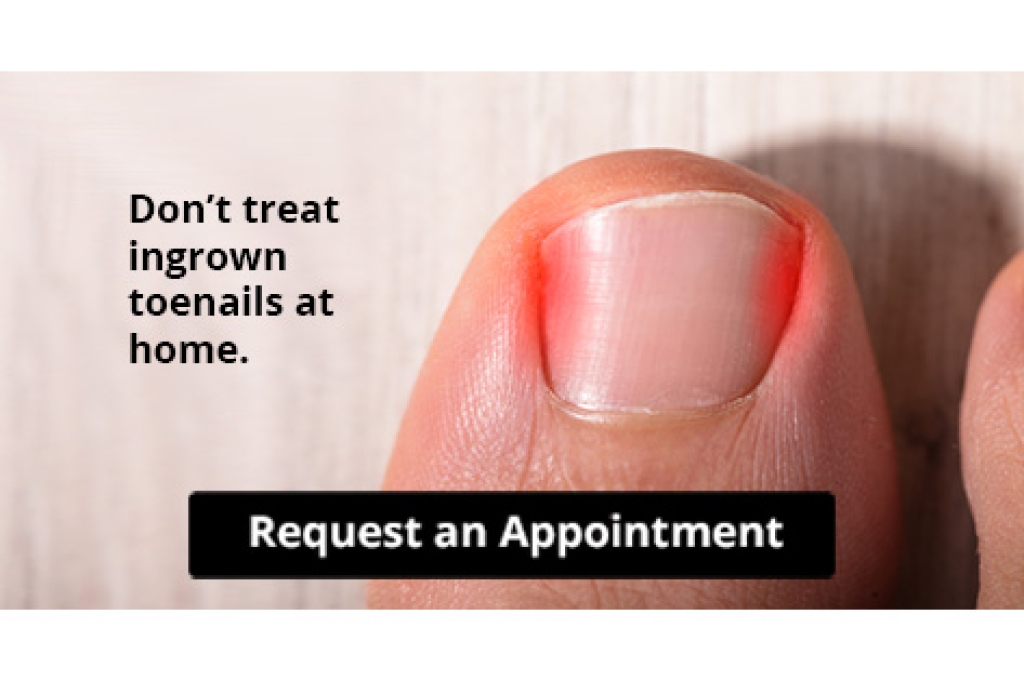
Let the Expert Treat Your Ingrown Toenails

Ingrown toenails can be painful and can make wearing shoes or walking uncomfortable. Seek professional help if you believe you've developed an ingrown toenail and be treated safely. 

Connect With Us

scroll-to-top