
Foot Exercises Can Help Prevent Running Injuries

Research has shown that keeping the feet strong is the best way to reduce the chances of running injuries. Doing foot strengthening exercises can not only improve the health of your feet, it can also improve the effects that running can have on the rest of the body. The main objective of this type of exercise is to strengthen the arch and reduce pronation. One such exercise is called the short foot exercise. Start by sitting in a chair with one bare foot placed flat on the floor. Contract the muscles in the foot in a way that pulls the toes toward the body. This increases the gap between the arch of the foot and the floor, in effect, shortening the foot. Try to keep your heels and your toes touching the floor. When the foot is shortened as much as possible, let go and relax the foot. Complete 10 repetitions before switching to the other foot. Another exercise is to stand on the ball of one foot for 10 seconds, then alternate feet. Continue this process for 10 minutes. For more information on how to strengthen your feet, please consult a podiatrist.

Exercising your feet regularly with the proper foot wear is a great way to prevent injuries. If you have any concerns about your feet, contact Nicole C. Rodriguez, DPM of Personal Podiatry Associates. Our doctor will treat your foot and ankle needs.

How to Prevent Running Injuries

Many common running injuries are caused by overuse and overtraining. When the back of the kneecap starts wearing out and starts causing pain in your knee, this is commonly referred to as runner’s knee. Runner’s knee is a decrease in strength in your quadriceps and can occur if you’re not wearing properly fitted or supporting shoes. To prevent runner’s knee, focusing on hip strengthening is a good idea, as well as strengthening your quads to keep the kneecaps aligned.

What Are Some Causes of Running Injuries? 
- One cause of a common running injury is called iliotibial band syndrome.
- Plantar fasciitis is also another common injury.
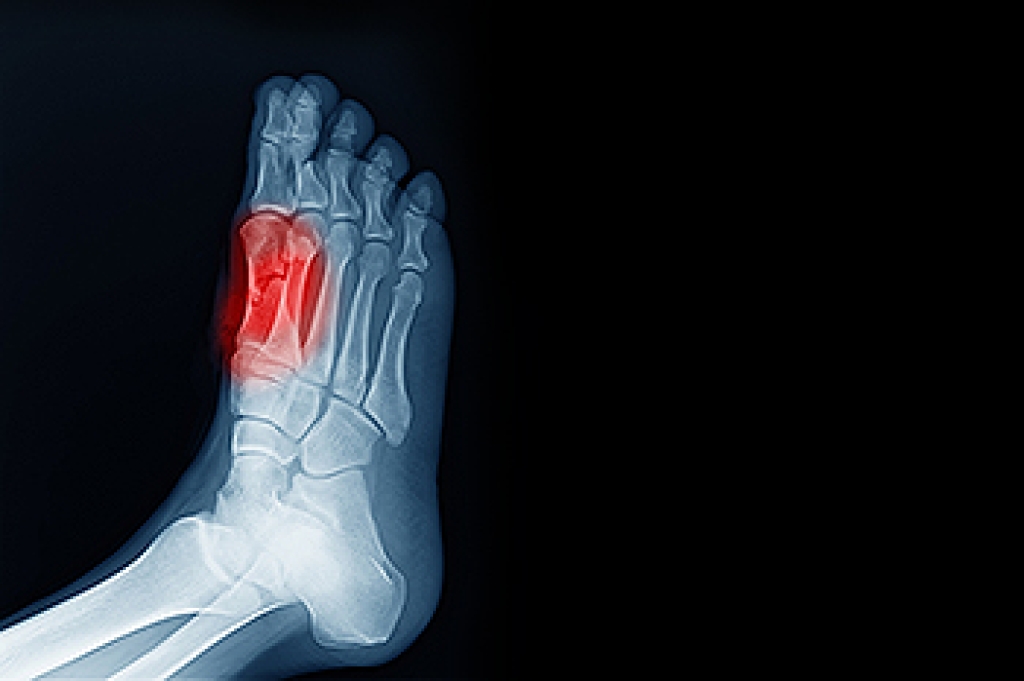
- Stress fractures can occur from overtraining, lack of calcium, or even your running style.

Best Ways to Prevent Running Injuries
- Wear footwear that fits properly and suits your running needs.
- Running shoes are the only protective gear that runners have to safeguard them from injury.
- Make a training schedule. Adding strengthening exercises as well as regular stretching can help keep you strong and limber and can lessen the possibility of injuries.
- Stretching keeps muscles limber; this will help you gain better flexibility.

If you have any questions, please feel free to contact our offices located in Tamarac and Pembroke Pines, FL . We offer the newest diagnostic and treatment technologies for all your foot care needs.

Read more about How to Prevent Running Injuries

Sesamoiditis and Foot Pads

Sesamoiditis is a particular kind of foot affliction in which the two small sesamoid bones located in the ball of the feet become inflamed and aggravated. Sometimes, individuals living with sesamoiditis may experience some kind of pain due to their condition. If the individual is prone to engage in activity that puts a significant amount of pressure on the balls of the feet, then pain from sesamoiditis is even more likely. Patients with sesamoiditis will often wonder how they can mitigate the pain caused by the condition. One potential option is to wear sesamoiditis insoles that are like pads for the feet. Some of these foot pads wrap around and support the ball of the foot. These insoles are useful because they can absorb shock in such a way that lessens the pain caused by sesamoiditis. Additionally, these pads can be helpful because they sometimes fit comfortably in the shoes one wears. If you have sesamoiditis, contact a podiatrist today to discuss the possibility of foot pads.

Sesamoiditis is an unpleasant foot condition characterized by pain in the balls of the feet. If you think you’re struggling with sesamoiditis, contact Nicole C. Rodriguez, DPM of Personal Podiatry Associates. Our doctor will treat your condition thoroughly and effectively.

Sesamoiditis

Sesamoiditis is a condition of the foot that affects the ball of the foot. It is more common in younger people than it is in older people. It can also occur with people who have begun a new exercise program, since their bodies are adjusting to the new physical regimen. Pain may also be caused by the inflammation of tendons surrounding the bones. It is important to seek treatment in its early stages because if you ignore the pain, this condition can lead to more serious problems such as severe irritation and bone fractures.

Causes of Sesamoiditis

  • Sudden increase in activity
  • Increase in physically strenuous movement without a proper warm up or build up
  • Foot structure: those who have smaller, bonier feet or those with a high arch may be more susceptible

Treatment for sesamoiditis is non-invasive and simple. Doctors may recommend a strict rest period where the patient forgoes most physical activity. This will help give the patient time to heal their feet through limited activity. For serious cases, it is best to speak with your doctor to determine a treatment option that will help your specific needs.

If you have any questions, please feel free to contact our offices located in Tamarac and Pembroke Pines, FL . We offer the newest diagnostic and treatment technologies for all your foot care needs.
Read more about Sesamoiditis

Foot Pain When Walking

There are a variety of reasons your feet may hurt while walking. If any of the several small bones in the feet become injured or misaligned, or the cushioning around them deteriorates, pain can be significant. Some of the more common foot maladies that can affect feet when walking are plantar fasciitis, metatarsalgia, and turf toe. Plantar fasciitis causes a stabbing pain in the heel or bottom of the foot which is worse first thing in the morning. Metatarsalgia causes a sharp, aching pain in the ball of the foot just behind the toes and may also cause numbness or tingling in the toes. It can feel like there is an object, like a pebble in the shoe. Turf toe is a sprain of the big toe. Pain is worse when the toe is hyperextended, as it often is in a push-off position. It causes pain and stiffness in the toe, and perhaps swelling and bruising. Since there are other conditions that mimic these ailments, it is important to see a podiatrist for a proper evaluation and diagnosis. This type of doctor can help with all foot and ankle-related pain.

Sports related foot and ankle injuries require proper treatment before players can go back to their regular routines. For more information, contact Nicole C. Rodriguez, DPM of Personal Podiatry Associates. Our doctor can provide the care you need to keep you pain-free and on your feet.

Sports Related Foot and Ankle Injuries

Foot and ankle injuries are a common occurrence when it comes to athletes of any sport. While many athletes dismiss the initial aches and pains, the truth is that ignoring potential foot and ankle injuries can lead to serious problems. As athletes continue to place pressure and strain the area further, a mild injury can turn into something as serious as a rupture and may lead to a permanent disability. There are many factors that contribute to sports related foot and ankle injuries, which include failure to warm up properly, not providing support or wearing bad footwear. Common injuries and conditions athletes face, including:

  • Plantar Fasciitis
  • Achilles Tendinitis
  • Achilles Tendon Rupture
  • Ankle Sprains

Sports related injuries are commonly treated using the RICE method. This includes rest, applying ice to the injured area, compression and elevating the ankle. More serious sprains and injuries may require surgery, which could include arthroscopic and reconstructive surgery. Rehabilitation and therapy may also be required in order to get any recovering athlete to become fully functional again. Any unusual aches and pains an athlete sustains must be evaluated by a licensed, reputable medical professional.

If you have any questions please contact our offices located in Tamarac and Pembroke Pines, FL . We offer the newest diagnostic and treatment technologies for all your foot and ankle needs.

Read more about Sports Related Foot And Ankle Injuries

Types of Sprains in the Foot

The foot bears the weight of the entire body with every step taken. Most foot sprains occur in two main areas, the midfoot, which includes the arch, and the 1st metatarsal joint, which is the base of the big toe. Midfoot sprains are generally the result of a sports-related fall or collision. Another cause of a midfoot sprain is the twisting of the area common among snowboarders, windsurfers, and divers. Ballet dancers and horseback riders are also at a higher risk for midfoot sprains. The joint at the base of the big toe, known as the MPJ or metatarsophalangeal joint, is the site of a sprain often called turf toe. It is the result of the repetitive action and sudden burst of energy that causes the ligaments in this joint to become overstretched. This type of MPJ sprain is common among football players and ballet dancers. Symptoms of a foot sprain are pain, swelling, and tenderness. Some bruising may also take place, and with serious sprains, bearing weight becomes difficult. For guidance on how to deal with sprains in the foot, please consult a podiatrist. 

Foot Pain

Foot pain can be extremely painful and debilitating. If you have a foot pain, consult with Nicole C. Rodriguez, DPM from Personal Podiatry Associates. Our doctor will assess your condition and provide you with quality foot and ankle treatment.

Causes

Foot pain is a very broad condition that could be caused by one or more ailments. The most common include:

  • Bunions
  • Hammertoes
  • Plantar Fasciitis
  • Bone Spurs
  • Corns
  • Tarsal Tunnel Syndrome
  • Ingrown Toenails
  • Arthritis (such as Gout, Rheumatoid, and Osteoarthritis)
  • Flat Feet
  • Injury (from stress fractures, broken toe, foot, ankle, Achilles tendon ruptures, and sprains)
  • And more

Diagnosis

To figure out the cause of foot pain, podiatrists utilize several different methods. This can range from simple visual inspections and sensation tests to X-rays and MRI scans. Prior medical history, family medical history, and any recent physical traumatic events will all be taken into consideration for a proper diagnosis.

Treatment

Treatment depends upon the cause of the foot pain. Whether it is resting, staying off the foot, or having surgery; podiatrists have a number of treatment options available for foot pain.

If you have any questions, please feel free to contact our offices located in Tamarac and Pembroke Pines, FL . We offer the newest diagnostic and treatment technologies for all your foot care needs.

Read more about Foot Pain

Get Professional Care for a Broken Foot or Ankle

Constant care and regular evaluation are important for a foot or ankle fracture. If left untreated, foot or ankle fractures can worsen over time and create more serious problems.

Don't wait to be examined if you believe you've experienced a foot or ankle fracture.

Connect With Us

scroll-to-top