Effects of Overpronation

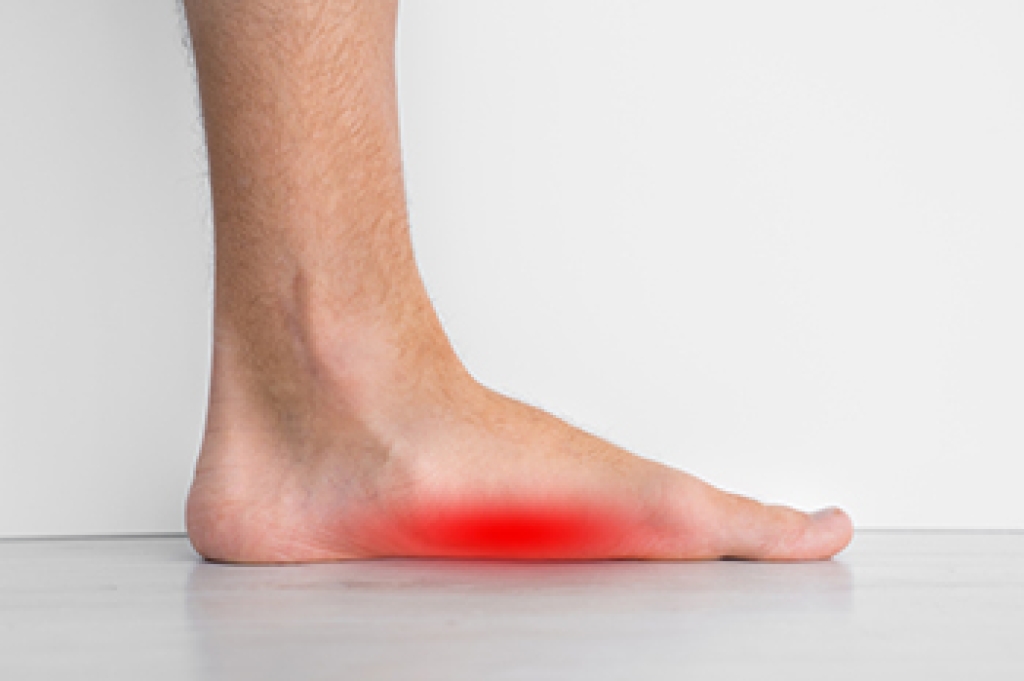
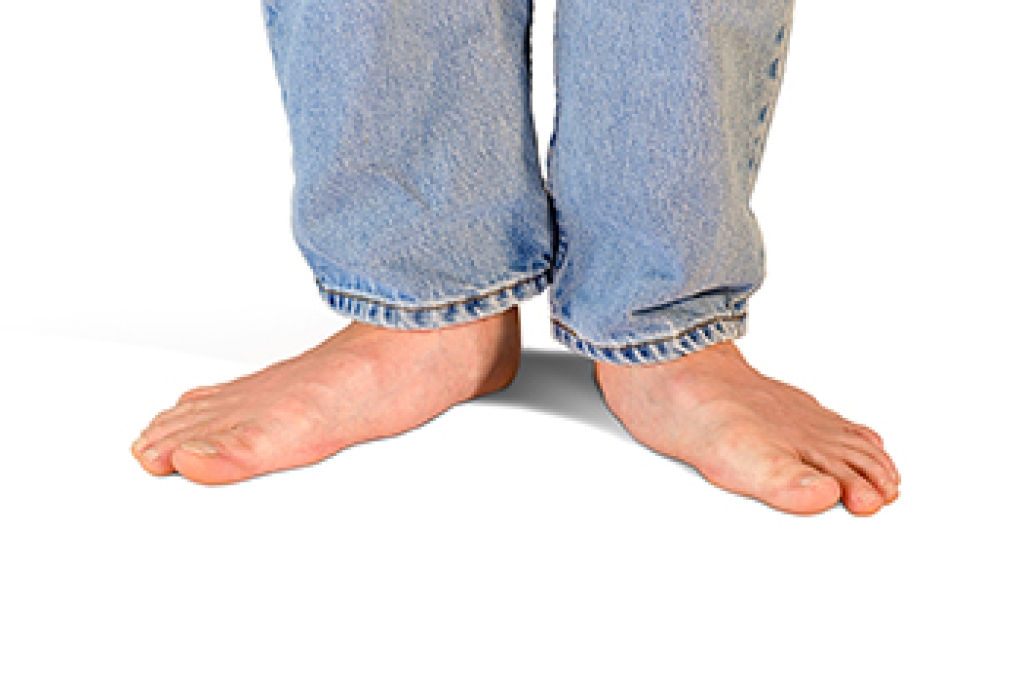
Pronation is simply how your foot hits the ground when you walk or run. When someone overpronates, it means that the foot rolls inward when taking a step. The outer edge of the heel generally hits the ground first, and then the foot rolls in toward the arch. This motion may put extra pressure on the muscles, tendons and ligaments. Overpronation can lead to a number of injuries, including ankle sprains, Achilles tendonitis, and plantar fasciitis. One way to determine whether or not you overpronate is to check out the bottom of your shoes. If the shoe is worn on the inside of the sole nearest the big toe, it may indicate overpronation. Next, stand in bare feet and look into a mirror to see if your feet are flat or have low arches. This is another indicator of overpronation. Symptoms of overpronation include heel or arch pain, flat feet, hammertoes, or pain in the knees, hips, or back. To be certain, it is a good idea to visit a podiatrist who can conduct a more formal examination and determine if orthotics can help to correct the condition.  

If you have any concerns about your feet, contact Nicole C. Rodriguez, DPM from Personal Podiatry Associates. Our doctor can provide the care you need to keep you pain-free and on your feet.

Biomechanics in Podiatry

Podiatric biomechanics is a particular sector of specialty podiatry with licensed practitioners who are trained to diagnose and treat conditions affecting the foot, ankle and lower leg. Biomechanics deals with the forces that act against the body, causing an interference with the biological structures. It focuses on the movement of the ankle, the foot and the forces that interact with them.

A History of Biomechanics

  • Biomechanics dates back to the BC era in Egypt where evidence of professional foot care has been recorded.
  • In 1974, biomechanics gained a higher profile from the studies of Merton Root, who claimed that by changing or controlling the forces between the ankle and the foot, corrections or conditions could be implemented to gain strength and coordination in the area.

Modern technological improvements are based on past theories and therapeutic processes that provide a better understanding of podiatric concepts for biomechanics. Computers can provide accurate information about the forces and patterns of the feet and lower legs.

Understanding biomechanics of the feet can help improve and eliminate pain, stopping further stress to the foot.

If you have any questions please feel free to contact our offices located in Tamarac and Pembroke Pines, FL . We offer the newest diagnostic and treatment technologies for all your foot and ankle needs.
Read more about Biomechanics in Podiatry

Tight Shoes and Blisters

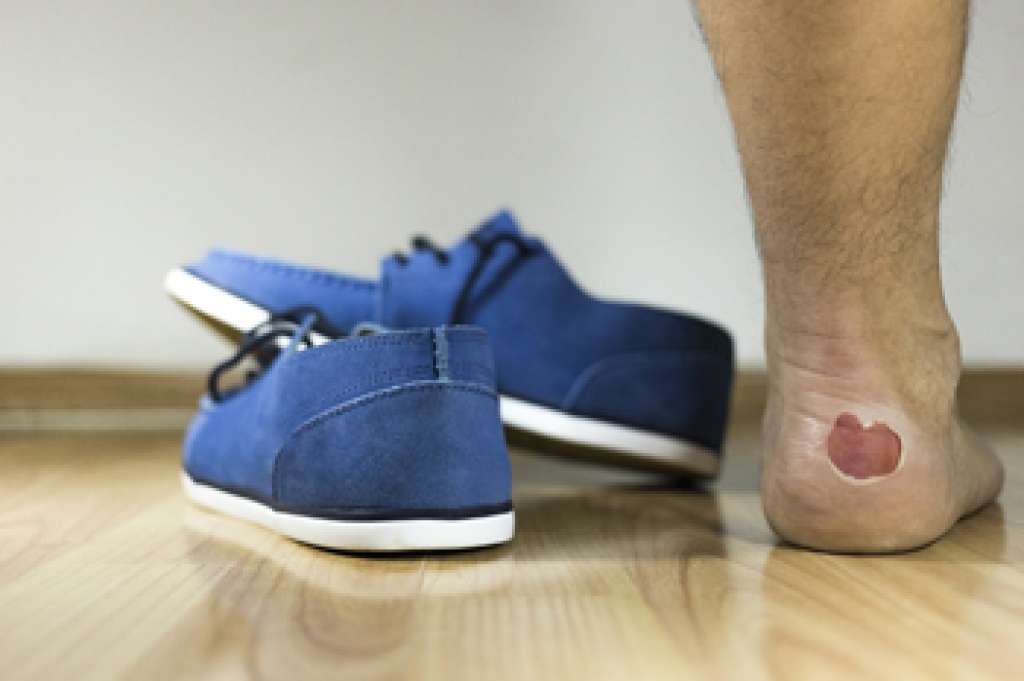
Blisters appear on the surface of the skin and are filled with a serum that looks like water. Some blisters can be filled with blood or pus. Such skin problems are caused by friction, burning, chemical reaction, insect bites, infection. Blisters can also be caused by a pre-existing medical condition, such as chickenpox, eczema, or the herpes virus. Blisters form as the body’s natural protection from damage to the inner layer of skin. Foot blisters often result from friction from wearing tight-fitting shoes for too long. If you have a blister on your foot, it might help to keep it covered with a bandage. This is particularly important as a way of preventing bacteria from entering and causing infection if the blister bursts. If you have a blister on your foot that is not healing once the irritating cause is eliminated, or if it worsens or looks infected, it is wise to see a podiatrist for treatment.

Blisters may appear as a single bubble or in a cluster. They can cause a lot of pain and may be filled with pus, blood, or watery serum. If your feet are hurting, contact Nicole C. Rodriguez, DPM of Personal Podiatry Associates. Our doctor can provide the care you need to keep you pain-free and on your feet.

Foot Blisters

Foot blisters are often the result of friction. This happens due to the constant rubbing from shoes, which can lead to pain.

What Are Foot Blisters?

A foot blister is a small fluid-filled pocket that forms on the upper-most layer of the skin. Blisters are filled with clear fluid and can lead to blood drainage or pus if the area becomes infected.

Symptoms

(Blister symptoms may vary depending on what is causing them)

  • Bubble of skin filled with fluid
  • Redness
  • Moderate to severe pain
  • Itching

Prevention & Treatment

In order to prevent blisters, you should be sure to wear comfortable shoes with socks that cushion your feet and absorb sweat. Breaking a blister open may increase your chances of developing an infection. However, if your blister breaks, you should wash the area with soap and water immediately and then apply a bandage to the affected area. If your blisters cause severe pain it is important that you call your podiatrist right away.

If you have any questions, please feel free to contact our offices located in Tamarac and Pembroke Pines, FL . We offer the newest diagnostic and treatment technologies for all your foot care needs.

Read more about Blisters

Runners and Plantar Fasciitis

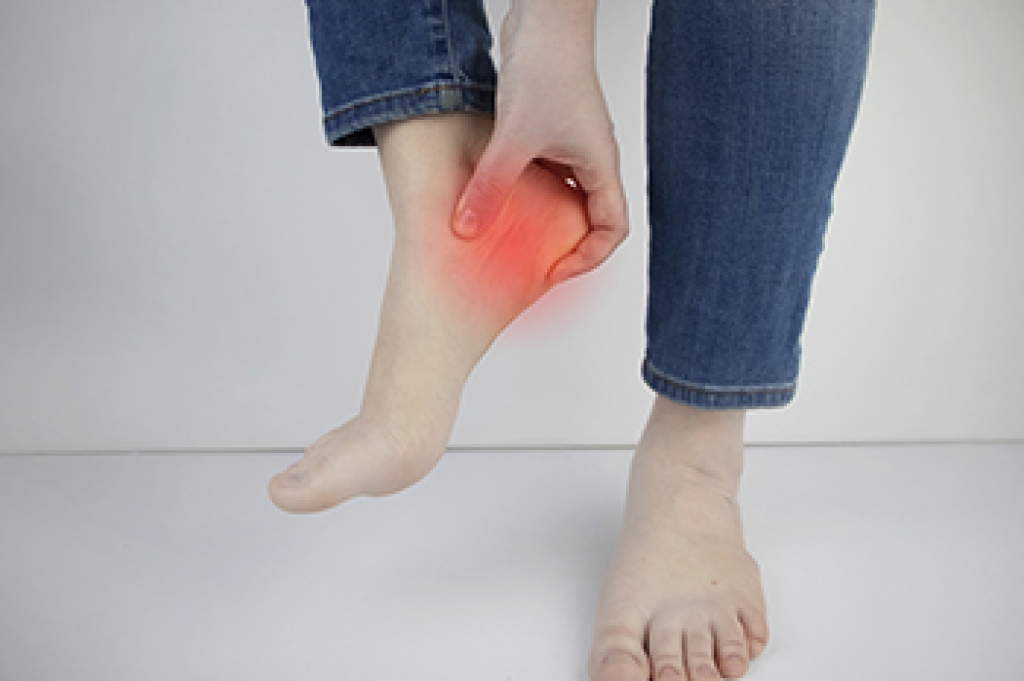
Heel pain can cause misery to a runner’s daily routine. Many people who enjoy running or jogging have goals they like to meet, and this can become compromised with existing heel pain. It is important for runners to avoid getting the common foot condition that is known as plantar fasciitis, and this can be done by implementing a few simple strategies. These consist of properly stretching the calf and heel before and after running, which can help to strengthen the ligaments that support the arch. Additionally, it is beneficial to gradually increase running speed and mileage, which can give the feet a chance to adapt to the changes. Allowing ample time for recovery is a key factor in preventing plantar fasciitis, and it helps to wear the right shoes for the desired style of running. There are certain people who may be prone to developing plantar fasciitis, including patients who are older, have had previous heel injuries, or have high arches. There are various treatments for heel pain, and it is strongly suggested that you consult with a podiatrist who can diagnose plantar fasciitis and offer correct pain relief options.

Plantar fasciitis can be very painful and inconvenient. If you are experiencing heel pain or symptoms of plantar fasciitis, contact Nicole C. Rodriguez, DPM  from Personal Podiatry Associates. Our doctor can provide the care you need to keep you pain-free and on your feet.

What Is Plantar Fasciitis?

Plantar fasciitis is the inflammation of the thick band of tissue that runs along the bottom of your foot, known as the plantar fascia, and causes mild to severe heel pain.

What Causes Plantar Fasciitis?

  • Excessive running
  • Non-supportive shoes
  • Overpronation
  • Repeated stretching and tearing of the plantar fascia

How Can It Be Treated?

  • Conservative measures – anti-inflammatories, ice packs, stretching exercises, physical therapy, orthotic devices
  • Shockwave therapy – sound waves are sent to the affected area to facilitate healing and are usually used for chronic cases of plantar fasciitis
  • Surgery – usually only used as a last resort when all else fails. The plantar fascia can be surgically detached from the heel

While very treatable, plantar fasciitis is definitely not something that should be ignored. Especially in severe cases, speaking to your doctor right away is highly recommended to avoid complications and severe heel pain. Your podiatrist can work with you to provide the appropriate treatment options tailored to your condition.

If you have any questions, please feel free to contact our offices located in Tamarac and Pembroke Pines, FL . We offer the newest diagnostic and treatment technologies for all your foot care needs.

Read more about Plantar Fasciitis

Are You Suffering From Nerve Damage?

Neuropathy is a condition that can lead to numbness or loss of sensation in the feet, but it can also cause pain. This condition is more likely to develop for those who are diabetic, obese, or with high blood pressure.

Babies and Flat Feet

The condition that is known as pes planus, or flat feet, is common among babies. It is an ailment that most people are born with, and the arch generally develops during the teenage years. This condition can correct itself, as the muscles and soft tissues become stronger. A child’s foot is often examined by a podiatrist, who may be able to determine if there is an underlying cause. Some of these can include cerebral palsy, connective tissue disorders, or juvenile arthritis. There may be an abnormal foot structure that can cause flat feet, in addition to possible muscle or ligament damage. Additionally, adults who are overweight may have flat feet, as a result of the extra pressure the feet endure from completing daily activities. Many people who have this condition find it beneficial to perform specific stretches that may gradually improve flexibility and range of motion. If you or your child have flat feet, please consult with a podiatrist who can address any concerns and answer questions you may have.

Flatfoot is a condition many people suffer from. If you have flat feet, contact Nicole C. Rodriguez, DPM from Personal Podiatry Associates. Our doctor will treat your foot and ankle needs.

What Are Flat Feet?

Flatfoot is a condition in which the arch of the foot is depressed and the sole of the foot is almost completely in contact with the ground. About 20-30% of the population generally has flat feet because their arches never formed during growth.

Conditions & Problems:

Having flat feet makes it difficult to run or walk because of the stress placed on the ankles.

Alignment – The general alignment of your legs can be disrupted, because the ankles move inward which can cause major discomfort.

Knees – If you have complications with your knees, flat feet can be a contributor to arthritis in that area.  

Symptoms

  • Pain around the heel or arch area
  • Trouble standing on the tip toe
  • Swelling around the inside of the ankle
  • Flat look to one or both feet
  • Having your shoes feel uneven when worn

Treatment

If you are experiencing pain and stress on the foot you may weaken the posterior tibial tendon, which runs around the inside of the ankle. 

If you have any questions, please feel free to contact our offices located in Tamarac and Pembroke Pines, FL . We offer the newest diagnostic and treatment technologies for all your foot care needs.

Read more about Flat Feet

Connect With Us

scroll-to-top