Common Foot and Ankle Injuries in Soccer

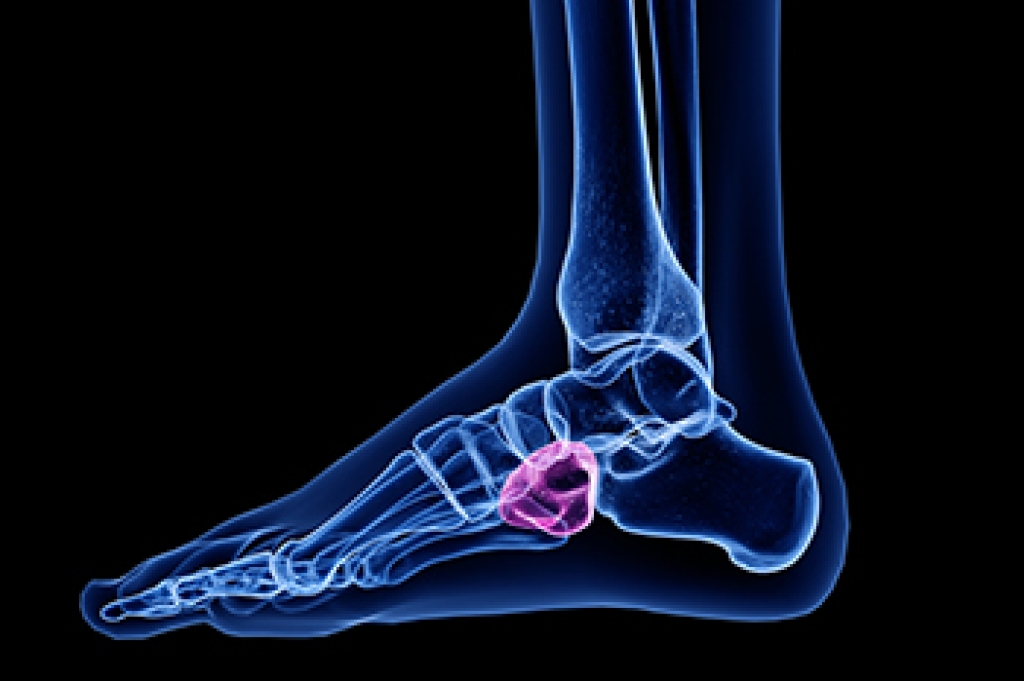
Soccer, a dynamic sport demanding agility and skill, often comes with its share of foot and ankle injuries, falling into acute and cumulative categories. Acute injuries, stemming from falls or player collisions, can be traumatic. Conversely, cumulative injuries result from repetitive stress, causing progressive aches and impairments. Soccer players frequently encounter lateral ankle sprains, occurring when kicking with the top of the foot, and medial ankle sprains from toe-out movements with the foot flexed upward. The chronic Achilles tendonitis, felt as pain in the back of the ankle, is a consequence of soccer's repetitive and sudden movements. A more severe injury, an Achilles tendon rupture, involves a partial or complete tear with an audible popping sound, often happening during fast, explosive actions on the field. Stress fractures, prevalent among soccer players, arise from overuse or repeated impacts, leading to bone bruising or slight cracking. These injuries often trace back to overuse, poor conditioning, or insufficient warm-ups. It is suggested that if you or your child incur foot and ankle injuries from playing soccer, you schedule an appointment with a podiatrist. 

Ankle and foot injuries are common among athletes and in many sports. They can be caused by several problems and may be potentially serious. If you are feeling pain or think you were injured in a sporting event or when exercising, consult with Nicole C. Rodriguez, DPM from Personal Podiatry Associates. Our doctor will assess your condition and provide you with quality foot and ankle treatment.

Common Injuries

The most common injuries that occur in sporting activities include:

  • Achilles Tendonitis
  • Achilles Tendon Rupture
  • Ankle Sprains
  • Broken Foot
  • Plantar Fasciitis
  • Stress Fractures
  • Turf Toe

Symptoms

Symptoms vary depending upon the injury and in some cases, there may be no symptoms at all. However, in most cases, some form of symptom is experienced. Pain, aching, burning, bruising, tenderness, tightness or stiffness, sensation loss, difficulty moving, and swelling are the most common symptoms.

Treatment

Just as symptoms vary depending upon the injury, so do treatment options. A common treatment method is known as the RICE method. This method involves rest, applying ice, compression and elevating the afflicted foot or ankle. If the injury appears to be more serious, surgery might be required, such as arthroscopic or reconstructive surgery. Lastly, rehabilitation or therapy might be needed to gain full functionality in the afflicted area. Any discomfort experienced by an athlete must be evaluated by a licensed, reputable medical professional.  

If you have any questions please contact our offices located in Tamarac and Pembroke Pines, FL . We offer the newest diagnostic and treatment technologies for all your foot and ankle needs.

Read more about Sports Related Foot and Ankle Injuries

Types of Ankle Fractures

Ankle fractures are common in injuries, making up approximately 10 percent of all fractures in trauma cases. They usually occur more in young men and older women. When there is a bigger accident with multiple injuries, ankle problems can greatly interfere with movement. There are different ways to classify ankle fractures. One way was introduced by Percival Pott, who looked at how many parts of the ankle bones got broken. There are two other systems called Lauge-Hansen and Danis-Weber that also offer ways to think about how the injury happened and how stable the break is. Each system offers good information. When doctors look at X-rays of ankle fractures, they have a certain way to approach repair. Fixing a displaced ankle fracture and making it line up right usually gives good results. But sometimes, even with the bones in the right place, the ankle can still have problems later because the cartilage is involved. About 15 percent of people may have arthritis in their ankle after this kind of fracture. If you have sustained an ankle fracture, it is suggested that you schedule an appointment with a podiatrist to have appropriate tests taken, a diagnosis made, and appropriate treatment offered.

Broken ankles need immediate treatment. If you are seeking treatment, contact Nicole C. Rodriguez, DPM from Personal Podiatry Associates. Our doctor can provide the care you need to keep you pain-free and on your feet. 

Broken Ankles
A broken ankle is experienced when a person fractures their tibia or fibula in the lower leg and ankle area. Both of these bones are attached at the bottom of the leg and combine to form what we know to be our ankle.

When a physician is referring to a break of the ankle, he or she is usually referring to a break in the area where the tibia and fibula are joined to create our ankle joint. Ankles are more prone to fractures because the ankle is an area that suffers a lot of pressure and stress. There are some obvious signs when a person experiences a fractured ankle, and the following symptoms may be present.

Symptoms of a Fractured Ankle

  • Excessive pain when the area is touched or when any pressure is placed on the ankle
  • Swelling around the area
  • Bruising of the area
  • Area appears to be deformed

If you suspect an ankle fracture, it is recommended to seek treatment as soon as possible. The sooner you have your podiatrist diagnose the fracture, the quicker you’ll be on the way towards recovery.

If you have any questions, please feel free to contact our offices located in Tamarac and Pembroke Pines, FL . We offer the newest diagnostic and treatment technologies for all your foot care needs.

Read more about All About Broken Ankle

Taking Care of Feet Over a Lifetime

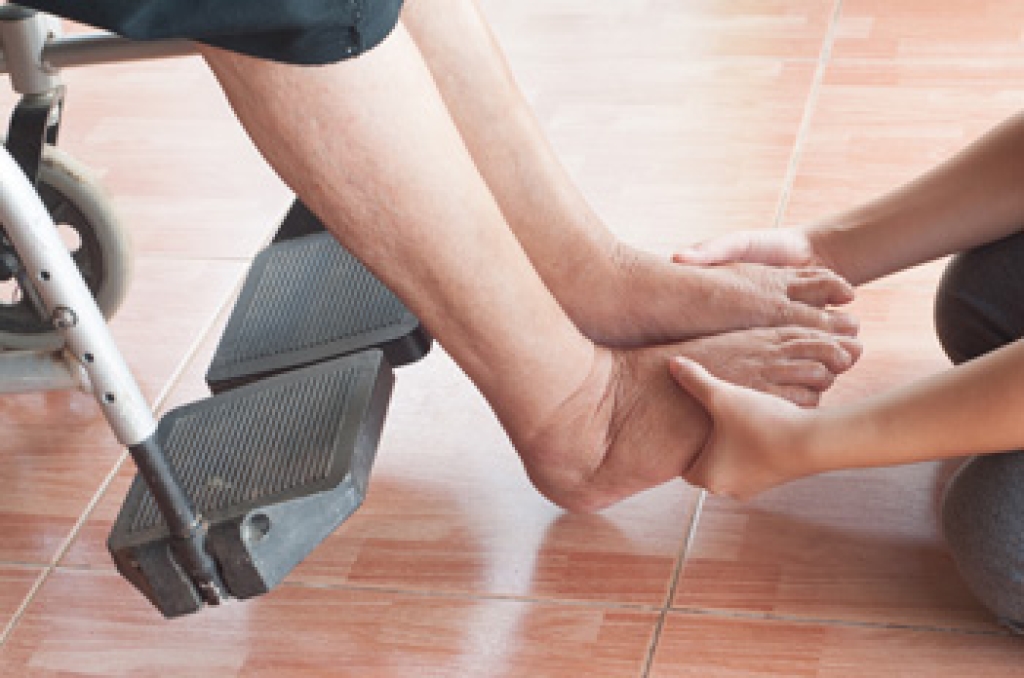
While our eyes are often considered windows to our souls, our feet can provide valuable insights into our overall health. As we age, our feet tend to reflect changes in our bodies, including decreased circulation, thinning skin, brittle bones, muscle atrophy, and arthritis. Many of these conditions can initially manifest in the foot and ankle, making it essential to monitor them for any alterations, discomfort, or pain. Footwear choices also play a significant role in foot health. Younger individuals often prioritize style over comfort and function, but as people age, there is a shift towards valuing comfort and functionality in shoes. It is important not to wait for pain and discomfort to become persistent problems in later life. Our feet are diverse in shape and size, but if you experience persistent foot pain or issues that affect your daily life, it is suggested that you schedule an appointment with a podiatrist who can provide the necessary treatment and contribute to a healthier and more comfortable future.

Everyday foot care is very important to prevent infection and other foot ailments. If you need your feet checked, contact Nicole C. Rodriguez, DPM from Personal Podiatry Associates. Our doctor can provide the care you need to keep you pain-free and on your feet.

Everyday Foot Care

Often, people take care of their bodies, face and hair more so than they do for their feet. But the feet are a very important aspect of our bodies, and one that we should pay more attention to. Without our feet, we would not be able to perform most daily tasks.

It is best to check your feet regularly to make sure there are no new bruises or cuts that you may not have noticed before. For dry feet, moisturizer can easily be a remedy and can be applied as often as necessary to the affected areas. Wearing shoes that fit well can also help you maintain good foot health, as well as making it easier to walk and do daily activities without the stress or pain of ill-fitting shoes, high heels, or even flip flops. Wearing clean socks with closed shoes is important to ensure that sweat and bacteria do not accumulate within the shoe. Clean socks help to prevent Athlete’s foot, fungi problems, bad odors, and can absorb sweat.

If you have any questions, please feel free to contact our offices located in Tamarac and Pembroke Pines, FL . We offer the newest diagnostic and treatment technologies for all your foot care needs.

Read more about Every Day Foot Care

How Diabetes Affects the Feet

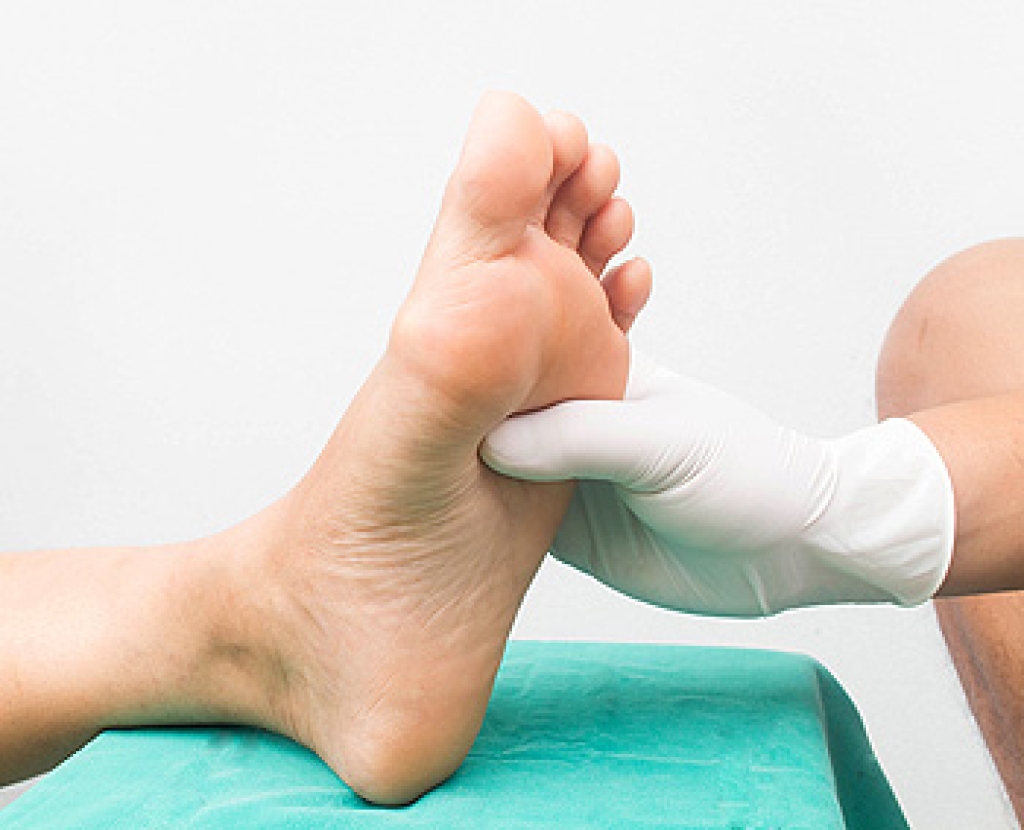
Living with diabetes involves a comprehensive approach to health, with a particular focus on the well-being of your feet. Diabetes affects the blood supply, resulting in peripheral neuropathy and peripheral vascular disease. Both conditions heighten the risk of complications, such as ulcers, gangrene, and possible loss of limb. Warning signs include cold feet, numbness, sharp leg pain, or changes in foot color. Nail changes, corns, calluses, cracked, or dry skin warrant a podiatrist's assessment within one week. The extremities, like the feet, often reveal the first signs of diabetes-related symptoms. Regular check-ups with a podiatrist are essential for tests to gauge blood circulation and nerve function. Prevention is key to averting severe diabetic-related foot problems. Daily care for diabetics includes maintaining stable blood sugar levels, refraining from smoking, engaging in regular exercise, and avoiding barefoot walking. Ensure good foot hygiene by washing and drying the feet daily, and checking the feet for sores, cuts, or unexplained bruises. Wearing well-fitting shoes is also beneficial. Should you notice persistent issues affecting the feet, it is strongly suggested that you schedule an immediate appointment with a podiatrist. 

Diabetic foot care is important in preventing foot ailments such as ulcers. If you are suffering from diabetes or have any other concerns about your feet, contact Nicole C. Rodriguez, DPM from Personal Podiatry Associates. Our doctor can provide the care you need to keep you pain-free and on your feet.

Diabetic Foot Care

Diabetes affects millions of people every year. The condition can damage blood vessels in many parts of the body, especially the feet. Because of this, taking care of your feet is essential if you have diabetes, and having a podiatrist help monitor your foot health is highly recommended.

The Importance of Caring for Your Feet

  • Routinely inspect your feet for bruises or sores.
  • Wear socks that fit your feet comfortably.
  • Wear comfortable shoes that provide adequate support.

Patients with diabetes should have their doctor monitor their blood levels, as blood sugar levels play such a huge role in diabetic care. Monitoring these levels on a regular basis is highly advised.

It is always best to inform your healthcare professional of any concerns you may have regarding your feet, especially for diabetic patients. Early treatment and routine foot examinations are keys to maintaining proper health, especially because severe complications can arise if proper treatment is not applied.

If you have any questions, please feel free to contact our offices located in Tamarac and Pembroke Pines, FL . We offer the newest diagnostic and treatment technologies for all your foot care needs.

Read more about How to Care for Diabetic Foot

It's Time for Beautiful Feet

You don't need an excuse to have beautiful nails. Step outside without worrying about the appearance of your feet.

Connect With Us

scroll-to-top