Pros and Cons of Achilles Tendon Stretches

When athletes, and especially runners, stretch tight calf muscles, they may be doing more harm than good to the Achilles tendon, experts say. Short active stretches may be more beneficial than passive stretching, where the heel is pressed downward and held for an extended period of time. Research has shown an overload on the Achilles tendon can cause it to become inflamed. When a typical calf/Achilles tendon stretch is performed, it’s normal for the tendon to press against the heel bone. However, when this position is gained too forcefully or sustained for too long it can become a problem. In fact, it is believed that overdoing a heel drop stretch of the Achilles tendon and calf can actually contribute to Achilles tendonitis. For this reason, experts recommend a heel drop flat against the floor rather than from a stair step, where the heel goes below the horizontal plane. Instead, massage, foam rolling, and double heel raises can help do the job of relieving tightness. For more detailed guidance on how to avoid Achilles tendonitis, please consult a podiatrist.

Achilles tendon injuries need immediate attention to avoid future complications. If you have any concerns, contact Nicole C. Rodriguez, DPM of Personal Podiatry Associates. Our doctor can provide the care you need to keep you pain-free and on your feet.

What Is the Achilles Tendon?

The Achilles tendon is a tendon that connects the lower leg muscles and calf to the heel of the foot. It is the strongest tendon in the human body and is essential for making movement possible. Because this tendon is such an integral part of the body, any injuries to it can create immense difficulties and should immediately be presented to a doctor.

What Are the Symptoms of an Achilles Tendon Injury?

There are various types of injuries that can affect the Achilles tendon. The two most common injuries are Achilles tendinitis and ruptures of the tendon.

Achilles Tendinitis Symptoms

  • Inflammation
  • Dull to severe pain
  • Increased blood flow to the tendon
  • Thickening of the tendon

Rupture Symptoms

  • Extreme pain and swelling in the foot
  • Total immobility

Treatment and Prevention

Achilles tendon injuries are diagnosed by a thorough physical evaluation, which can include an MRI. Treatment involves rest, physical therapy, and in some cases, surgery. However, various preventative measures can be taken to avoid these injuries, such as:

  • Thorough stretching of the tendon before and after exercise
  • Strengthening exercises like calf raises, squats, leg curls, leg extensions, leg raises, lunges, and leg presses

If you have any questions please feel free to contact our offices located in Tamarac and Pembroke Pines, FL . We offer the newest diagnostic tools and technology to treat your foot and ankle needs.
Read more about What are Achilles Tendon Injuries

What Is a Bunionette?

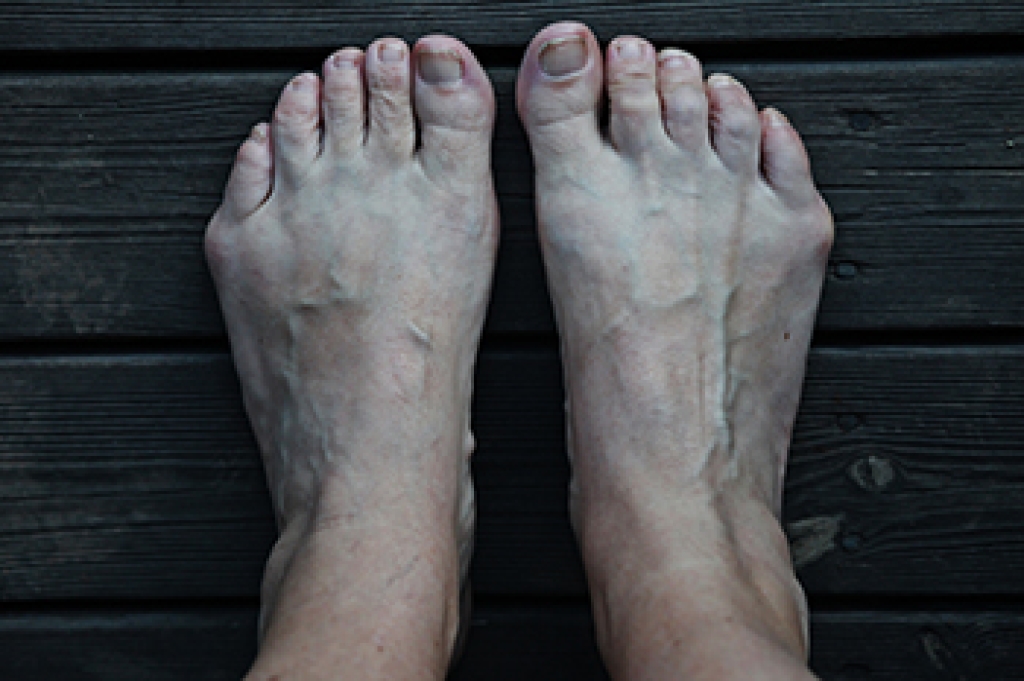
A bunionette, or tailor’s bunion, is a bony growth on the pinky toe classified as a deformity. It is the pinky counterpart of the more c,ommon bunion that forms on the big toe joint. When a bunionette and a bunion occur together, it is referred to as having a splayfoot. These growths are thought to develop from wearing narrow, tight shoes. However, some people may be genetically predisposed to bunions, due to an abnormality or enlargement of the toe ligament. Bunionettes can be visible to the eyes, swollen, and tender when palpated. If pain from a bunionette is not relieved with conservative treatments like wearing wider shoes or using orthotics, surgery may be necessary. If you have bunion problems and are experiencing discomfort, contact a podiatrist who can suggest the proper course of action for you.

If you are suffering from bunion pain, contact Nicole C. Rodriguez, DPM of Personal Podiatry Associates. Our doctor can provide the care you need to keep you pain-free and on your feet.

What Is a Bunion?

Bunions are painful bony bumps that usually develop on the inside of the foot at the joint of the big toe. As the deformity increases over time, it may become painful to walk and wear shoes. Women are more likely to exacerbate existing bunions since they often wear tight, narrow shoes that shift their toes together. Bunion pain can be relieved by wearing wider shoes with enough room for the toes.

Causes

  • Genetics – some people inherit feet that are more prone to bunion development
  • Inflammatory Conditions - rheumatoid arthritis and polio may cause bunion development

Symptoms

  • Redness and inflammation
  • Pain and tenderness
  • Callus or corns on the bump
  • Restricted motion in the big toe

In order to diagnose your bunion, your podiatrist may ask about your medical history, symptoms, and general health. Your doctor might also order an x-ray to take a closer look at your feet. Nonsurgical treatment options include orthotics, padding, icing, changes in footwear, and medication. If nonsurgical treatments don’t alleviate your bunion pain, surgery may be necessary.

If you have any questions, please feel free to contact our offices located in Tamarac and Pembroke Pines, FL . We offer the newest diagnostic and treatment technologies for all your foot care needs.

Read more about Bunions

Causes of Swollen Feet

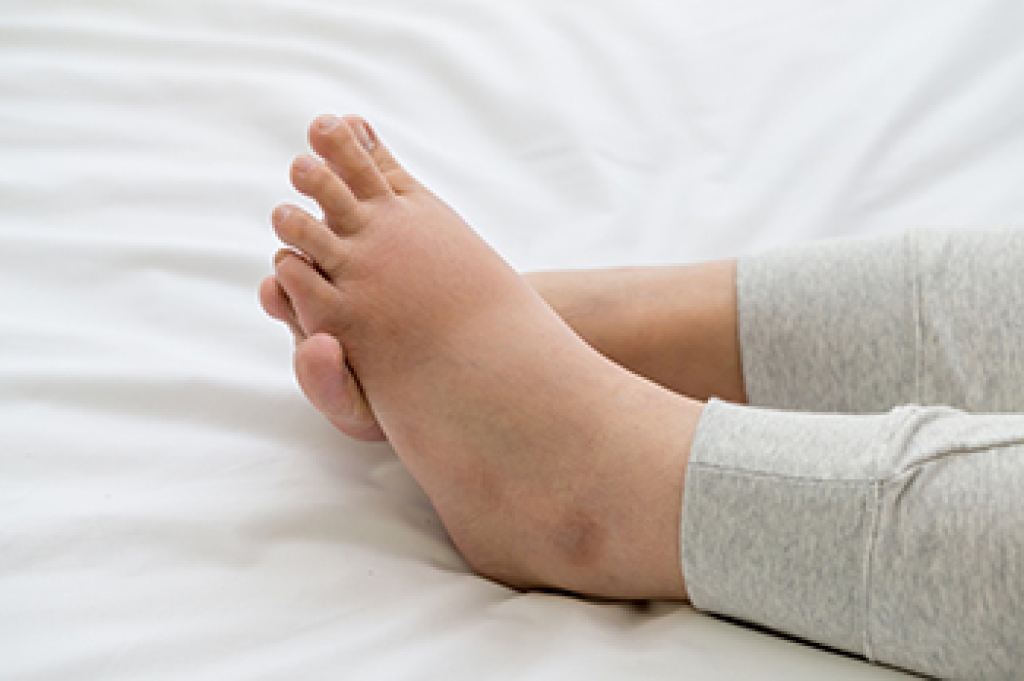
Swollen feet may not seem serious, but experts agree that they should not be ignored because they may indicate underlying conditions that can become problematic. Many external factors can cause swollen feet, including walking or standing for long periods and humid weather. However, if you notice that your feet swell frequently, it may be time for a closer look. One of the main causes of swollen feet is injury. Trauma to the feet, such as sprains, strains, and fractures, may induce swelling. This is because the body responds to the trauma by sending increased blood flow to the area. People who sit for long periods may end up with swollen feet because of a reduced blood flow to the feet. Among the other causes of swollen feet are pregnancy, hormone fluctuations, and side effects from certain medications. When the lymphatic system is compromised, swelling in the feet is a common symptom. Osteoarthritis and circulatory problems can also contribute to swollen feet, as do blood clots and bacterial infections. If chronic swelling of the feet is a problem, it is a wise choice to visit a podiatrist for a thorough examination and diagnosis.

Swollen feet can be a sign of an underlying condition. If you have any concerns, contact Nicole C. Rodriguez, DPM of Personal Podiatry Associates. Our doctor can provide the care you need to keep you pain-free and on your feet.

Swollen feet are a common ailment among pregnant women and people who stand or sit for extended periods. Aging may increase the possibility of swollen feet and patients who are obese often notice when their feet are swelling too. There may be medical reasons why swollen feet occur:

  • Phlebitis - A condition that causes the veins to become inflamed and can also cause leg pain.
  • Liver disease - This may lead to low blood levels of albumin which is a protein. This can cause fluid in the blood to pass into the tissues and several areas of the body can become swollen.
  • Heart failure - When the heart doesn’t pump properly the blood that is normally pumped back to the heart can pool in the veins of the legs causing swollen feet.
  • Kidney disease - One of the main functions of the kidneys is releasing excess fluid in the body. This type of condition can make it difficult for the kidneys to function properly, and as a result the feet may become swollen.
  • Deep-vein thrombosis (DVT)- This is a serious condition where blood clots form in the veins of the legs. They can block the return of blood from the legs to the heart which may cause the feet to swell. It is important to be treated by a podiatrist if this condition is present.

Swollen feet can also be caused by bone and tendon conditions, including fractures, arthritis, and tendinitis. Additionally, there may be skin and toenail conditions and an infection may cause the feet to swell. Patients who take medicine to treat high blood pressure may be prone to getting swollen feet. 

Many patients elevate their feet to help relieve the swelling and this is generally a temporary remedy. When a podiatrist is consulted the reason behind the swelling can be uncovered and subsequently treated.

If you have any questions please contact our offices located in Tamarac and Pembroke Pines, FL . We offer the newest diagnostic and treatment technologies for all your foot and ankle needs.

Read more about Swelling of the Feet

Biomechanics of the Feet

Our feet do so much for us and so much can go wrong with them, but we do not often consider them unless we feel foot pain. Feet play an important role in the function of the gait cycle and influence the rest of our bodies. If our pronation or supination is off, shock absorption and walking can be affected. If the toe-off phase is not proper, propelling the body forward is impacted. Orthotics may help when things are off with the movement of our feet, but they may also not be necessary. If you are having foot discomfort or pain, contact a podiatrist who can examine your feet and evaluate your gait as well as provide the right treatment options for you.

If you have any concerns about your feet, contact Nicole C. Rodriguez, DPM from Personal Podiatry Associates. Our doctor can provide the care you need to keep you pain-free and on your feet.

Biomechanics in Podiatry

Podiatric biomechanics is a particular sector of specialty podiatry with licensed practitioners who are trained to diagnose and treat conditions affecting the foot, ankle and lower leg. Biomechanics deals with the forces that act against the body, causing an interference with the biological structures. It focuses on the movement of the ankle, the foot and the forces that interact with them.

A History of Biomechanics

  • Biomechanics dates back to the BC era in Egypt where evidence of professional foot care has been recorded.
  • In 1974, biomechanics gained a higher profile from the studies of Merton Root, who claimed that by changing or controlling the forces between the ankle and the foot, corrections or conditions could be implemented to gain strength and coordination in the area.

Modern technological improvements are based on past theories and therapeutic processes that provide a better understanding of podiatric concepts for biomechanics. Computers can provide accurate information about the forces and patterns of the feet and lower legs.

Understanding biomechanics of the feet can help improve and eliminate pain, stopping further stress to the foot.

If you have any questions please feel free to contact our offices located in Tamarac and Pembroke Pines, FL . We offer the newest diagnostic and treatment technologies for all your foot and ankle needs.

Read more about The Importance of Biomechanics in Podiatry

Plantar Fasciitis and Swimming

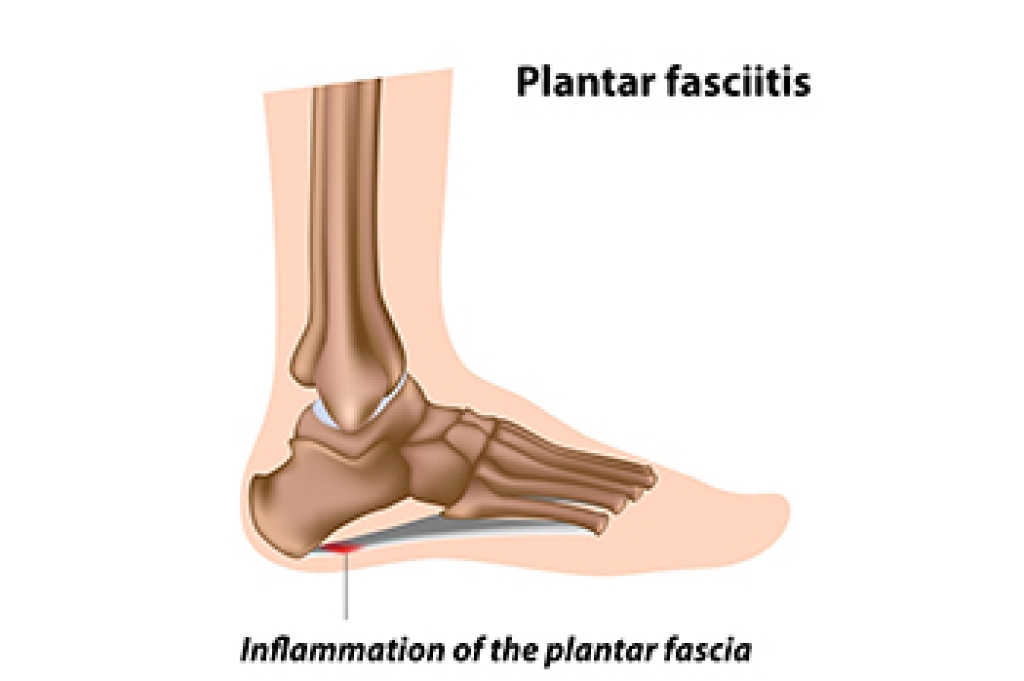
One of the most common forms of heel pain that a podiatrist will encounter in patients is known as plantar fasciitis, a condition where the plantar fascia becomes inflamed. Many physical activities and sports may exacerbate this condition, particularly if it is high impact. However, in some respects, swimming may seem to be a helpful alternative for those with plantar fasciitis. Swimming is particularly low impact, enabling the athlete to burn calories while often not placing high pressure on the feet. It is important to note, however, that if someone has plantar fasciitis, it is possible that they still may experience pain when engaging in this activity. Someone with a particularly bad case of plantar fasciitis may feel pain if they try to push off of the wall with their feet when swimming. Schedule an appointment today with a podiatrist to learn more about plantar fasciitis.

Plantar fasciitis is a common foot condition that is often caused by a strain injury. If you are experiencing heel pain or symptoms of plantar fasciitis, contact Nicole C. Rodriguez, DPM from Personal Podiatry Associates. Our doctor can provide the care you need to keep you pain-free and on your feet.

What Is Plantar Fasciitis?

Plantar fasciitis is one of the most common causes of heel pain. The plantar fascia is a ligament that connects your heel to the front of your foot. When this ligament becomes inflamed, plantar fasciitis is the result. If you have plantar fasciitis you will have a stabbing pain that usually occurs with your first steps in the morning. As the day progresses and you walk around more, this pain will start to disappear, but it will return after long periods of standing or sitting.

What Causes Plantar Fasciitis?

  • Excessive running
  • Having high arches in your feet
  • Other foot issues such as flat feet
  • Pregnancy (due to the sudden weight gain)
  • Being on your feet very often

There are some risk factors that may make you more likely to develop plantar fasciitis compared to others. The condition most commonly affects adults between the ages of 40 and 60. It also tends to affect people who are obese because the extra pounds result in extra stress being placed on the plantar fascia.

Prevention

  • Take good care of your feet – Wear shoes that have good arch support and heel cushioning.
  • Maintain a healthy weight
  • If you are a runner, alternate running with other sports that won’t cause heel pain

There are a variety of treatment options available for plantar fasciitis along with the pain that accompanies it. Additionally, physical therapy is a very important component in the treatment process. It is important that you meet with your podiatrist to determine which treatment option is best for you.

If you have any questions, please feel free to contact our offices located in Tamarac and Pembroke Pines, FL . We offer the newest diagnostic and treatment technologies for all your foot care needs.


Read more about Plantar Fasciitis

Connect With Us

scroll-to-top